Your Guide to Nursing Home Abuse & Prevention
Millions of elderly adults live in nursing home facilities.
Every one of them deserves to feel safe, protected, and respected.
Millions of elderly adults live in nursing home facilities.
Every one of them deserves to feel safe, protected, and respected.
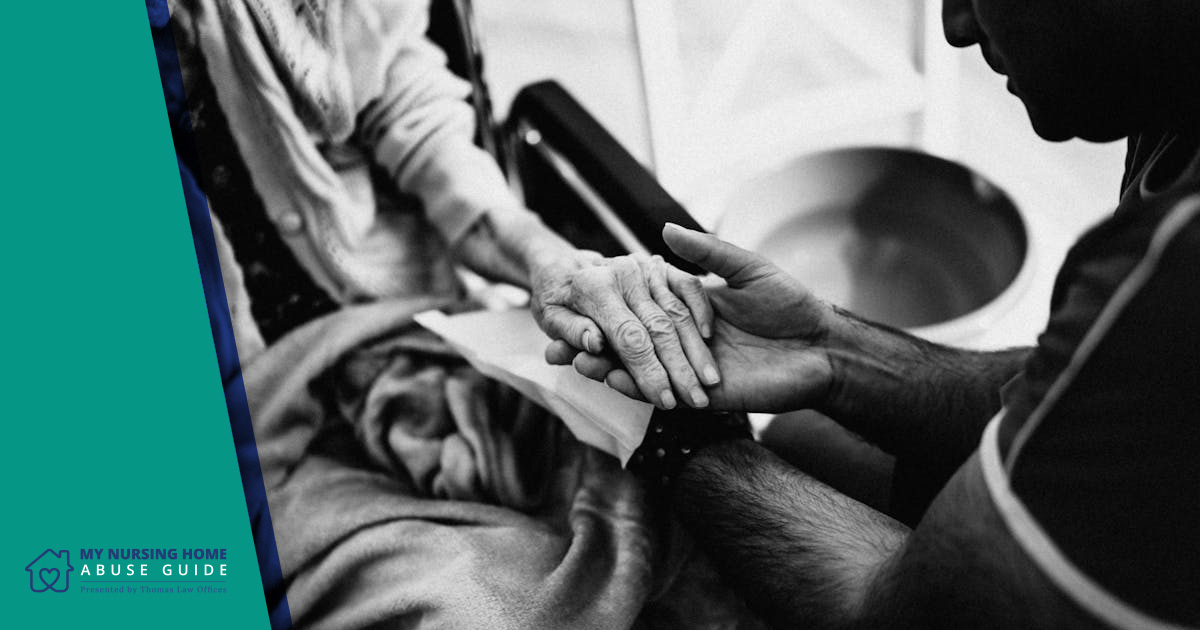 When a loved one enters a nursing home, families place an enormous amount of trust in the facility’s staff and management. They expect their loved one to receive attentive care in a safe, respectful environment.
Unfortunately, that trust can be broken when neglect or abuse occurs.
Proving nursing home negligence requires careful documentation, a clear understanding of the law, and, often, the help of professionals. Although the legal process may feel intimidating at first, knowing what to look for and how to build a case can make a significant difference.
Negligence in a nursing home setting means that the staff or facility generally failed to meet the acceptable standard of care that’s expected under the circumstances, resulting in harm to a resident.
This isn’t always about intentional harm, though abuse does occur, but it often stems from poor staffing, lack of training, or procedural failures. Negligence can take many forms. It might involve failing to provide timely medical care, not assisting with basic hygiene, ignoring signs of dehydration or malnutrition, or allowing unsafe conditions that lead to falls or injuries.
Even emotional neglect, such as isolating residents or failing to respond to their concerns, can be grounds for legal action if it leads to measurable harm.
To prove negligence, you must show four elements:
Each of these parts must be supported with evidence that connects the facility’s actions or inactions, to the injury or deterioration suffered by the resident.
Strong evidence is the foundation of a successful negligence case. Families often start by documenting visible signs of injury or decline. This can include bruises, bedsores, unexplained weight loss, or changes in behavior. Photographs, medical reports, and journal entries that detail the resident’s condition over time can help establish a pattern.
Medical records play a crucial role as well, as they can show whether staff followed the doctor’s orders, monitored vital signs, or administered medications as prescribed. In some cases, inconsistencies in charting or unexplained gaps in records may suggest a cover-up or carelessness.
Witnesses can also strengthen a case. Other residents, visiting family members, and even former staff may provide insight into daily routines, staffing levels, or instances where protocols weren’t followed.
If possible, gather statements from those who have observed substandard care or patterns of neglect.
Another useful tool is surveillance footage. Some nursing homes have cameras in public areas, and families sometimes place discreet cameras in private rooms. While legal regulations vary by state, and consent may be required, video evidence can be powerful in confirming suspicions of mistreatment.
Proving a breach of duty is only part of the challenge. You must also show that this failure directly caused harm. This element, called “causation,” is sometimes the most heavily contested part of a nursing home negligence case.
Facilities may argue that a resident’s injury resulted from a pre-existing condition or that the harm was unavoidable due to age or illness.
To overcome these arguments, you’ll often need expert testimony. A qualified medical expert can explain how the injury occurred and why it was preventable with proper care.
For example, if a resident developed advanced bedsores, an expert might testify that regular repositioning and wound care would likely have prevented the condition. Their insight can help juries and judges understand the medical facts and connect the dots between neglect and injury.
Lastly, you must show that the injury led to actual damages. These can be physical, emotional, or financial. Damages might include your medical bills, pain and suffering, emotional distress, or the cost of transferring them to another facility.
In cases involving fatal neglect, surviving family members may pursue a wrongful death claim and seek compensation for funeral expenses, loss of companionship, and other losses.
Keep records of all expenses and impacts associated with the harm. These will support your claim and help quantify what compensation may be appropriate. Your attorney may also call on expert witnesses to estimate long-term costs or evaluate the emotional impact of the negligence.
Proving nursing home negligence requires more than frustration or suspicion, requires structured legal evidence. That’s why speaking with an attorney early in the process is often helpful. A qualified nursing home abuse lawyer can review your case, gather the necessary documentation, and bring in experts to build a compelling argument.
Lawyers familiar with these cases also understand how to navigate facility defenses, access key records, and meet all procedural deadlines. They can help preserve evidence before it disappears and work to hold the nursing home accountable through a settlement or trial.
Here’s a helpful checklist families can use to recognize early signs of nursing home neglect and begin documenting concerns effectively:
At My Nursing Home Abuse Guide, we understand that finding out a loved one may have suffered due to negligence is a difficult and emotional experience. However, with a careful, evidence-based approach, you can hold a negligent facility accountable and seek justice for your loved one.
Knowing what to look for, how to document it, and when to seek professional help lays the groundwork for a strong case.
While the legal process may take time, proving nursing home negligence is a crucial step toward protecting our vulnerable loved ones and improving care for all residents.
We can help.
This website was created and is maintained by the legal team at Thomas Law Offices. Our attorneys are experienced in a wide variety of nursing home abuse and neglect cases and represent clients on a nationwide level. Call us or fill out the form to the right to tell us about your potential case. We will get back to you as quickly as possible.
866-351-2504