Your Guide to Nursing Home Abuse & Prevention
Millions of elderly adults live in nursing home facilities.
Every one of them deserves to feel safe, protected, and respected.
Millions of elderly adults live in nursing home facilities.
Every one of them deserves to feel safe, protected, and respected.
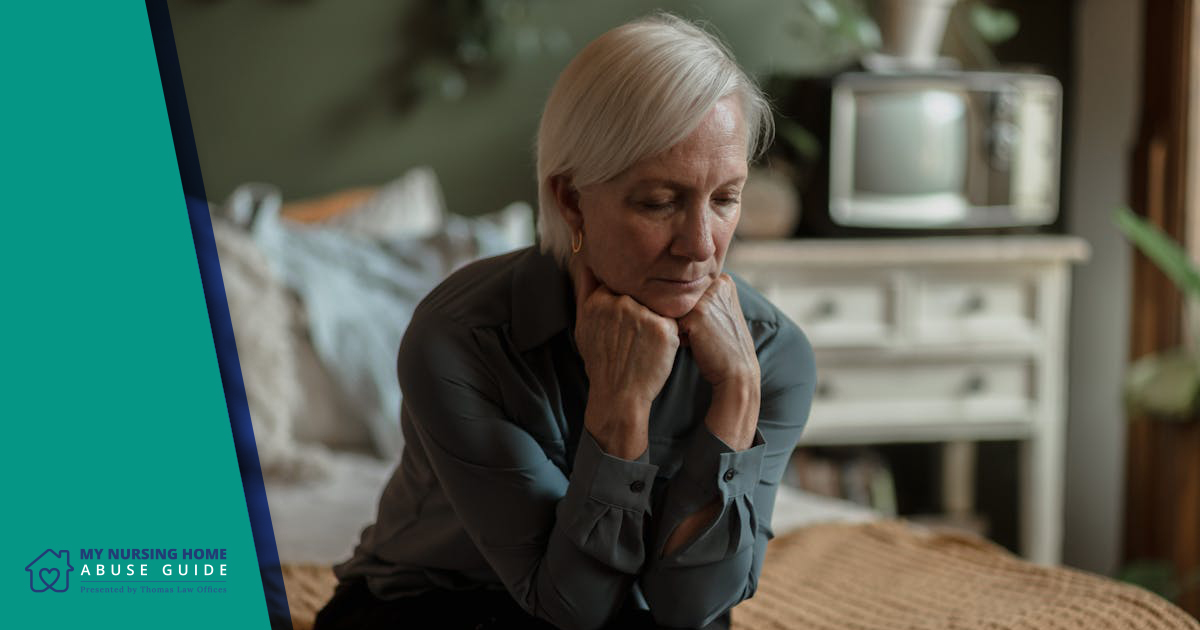
Emotional abuse can be every bit as damaging in a nursing home as physical harm, leaving residents feeling fearful, isolated, and anxious. Proving this form of abuse in a lawsuit, however, requires careful planning and thorough evidence. Families and legal representatives will have to demonstrate not only that abuse occurred but also that it caused measurable harm to the residents.
Understanding how to gather proof and build a strong case is critical for protecting vulnerable residents and achieving justice.
The first step in any lawsuit is identifying that emotional abuse is happening. This type of mistreatment may include verbal threats, humiliation, intimidation, or purposeful isolation from friends and family.
Staff might ignore a resident’s needs, ridicule them, or use manipulative tactics to control behavior.
Signs of abuse can include sudden mood swings, withdrawal from social activities, depression, or unexplained fear when certain staff members are present. Observing these signs and documenting them promptly provides a crucial foundation for legal action.
Detailed documentation can make or break a case. Families should keep a written log of interactions and observations, noting dates, times, and descriptions of troubling events.
If a resident shares details about abusive treatment, record their statements accurately and preserve any written notes or messages they provide. Photographs of living conditions or items that reflect neglect—such as unsanitary rooms or lack of personal belongings—may also support the claim.
Witness testimony is powerful evidence in emotional abuse cases. Other residents, staff members, visitors, or volunteers may have seen or heard the mistreatment.
Family members who notice changes in mood or behavior can also testify about what they observed. Lawyers often conduct interviews or depositions to collect these accounts, which help establish a pattern of abuse and demonstrate its impact on the resident’s mental health.
Although emotional abuse is not always visible, professional evaluations can confirm its effects.
Mental health assessments, counseling records, and notes from physicians can reveal symptoms such as anxiety, depression, or post-traumatic stress. A psychologist or psychiatrist may provide an expert opinion linking the resident’s condition to the abusive environment.
These records strengthen the argument that the nursing home’s actions caused real harm.
The internal policies of the nursing home can often provide critical context. Lawyers review staff training materials, complaint records, and incident reports to show whether the facility followed proper procedures.
Chronic understaffing, high turnover, or previous citations for similar issues may indicate a pattern of neglect or an environment where emotional abuse can thrive. Establishing that management ignored warning signs or failed to act can increase the strength of the case.
State health departments and adult protective services can play a key role in investigating nursing home abuse. Filing a formal complaint can prompt inspections and generate official reports that become part of the evidence. These findings often carry a great deal of weight in court, especially if violations or allegations of emotional abuse can be confirmed.
A successful lawsuit combines many types of proof. Key evidence often includes:
This combination creates a detailed picture of the abuse and its consequences, helping the court understand the full scope of the wrongdoing.
Emotional abuse cases are complex, so partnering with an experienced attorney, one who specializes in nursing home litigation, is essential.
A qualified personal injury lawyer knows how to collect evidence, interview witnesses, and navigate state regulations. They also understand how to present sensitive testimony in a way that protects the resident’s dignity while building a persuasive case.
Partnering with expert counsel can help ensure that all deadlines are met and that the lawsuit meets procedural requirements.
Families should be ready for a legal process that may involve mediation, settlement discussions, or a trial. Courts will examine whether the facility failed to provide its required duty of care and whether that breach caused measurable emotional harm.
Attorneys often use expert witnesses, such as psychologists or geriatric care specialists, to explain the extent and impact of the elder abuse.
Gathering evidence early and staying organized can make this process smoother and more effective.
While legal action moves forward, the resident’s emotional well-being remains a top priority.
Families should ensure that their loved one gets appropriate counseling and medical care. Regular visits, open communication, and reassurance that their concerns are being heard and addressed can help them feel safer.
Removing the resident from the harmful environment, if possible, may also protect their health and strengthen the lawsuit.
Beyond proving the case, these efforts can help prevent others from suffering similar harm. Successful lawsuits can lead to changes in policies, improved staff training, and closer monitoring of facilities.
Sharing experiences with advocacy groups or participating in community education can raise awareness about emotional abuse and encourage systemic improvements.
Proving emotional abuse in a nursing home lawsuit requires persistence, detailed documentation, and expert legal guidance. Families must recognize the warning signs, gather comprehensive evidence, and work closely with legal and medical professionals to connect the mistreatment to measurable harm.
By taking these steps, loved ones can hold negligent facilities accountable and protect vulnerable residents from further emotional trauma. At My Nursing Home Abuse Guide, we are here to guide you through these tough times and help you find the assistance you need.
This website was created and is maintained by the legal team at Thomas Law Offices. Our attorneys are experienced in a wide variety of nursing home abuse and neglect cases and represent clients on a nationwide level. Call us or fill out the form to the right to tell us about your potential case. We will get back to you as quickly as possible.
866-351-2504