Your Guide to Nursing Home Abuse & Prevention
Millions of elderly adults live in nursing home facilities.
Every one of them deserves to feel safe, protected, and respected.
Millions of elderly adults live in nursing home facilities.
Every one of them deserves to feel safe, protected, and respected.
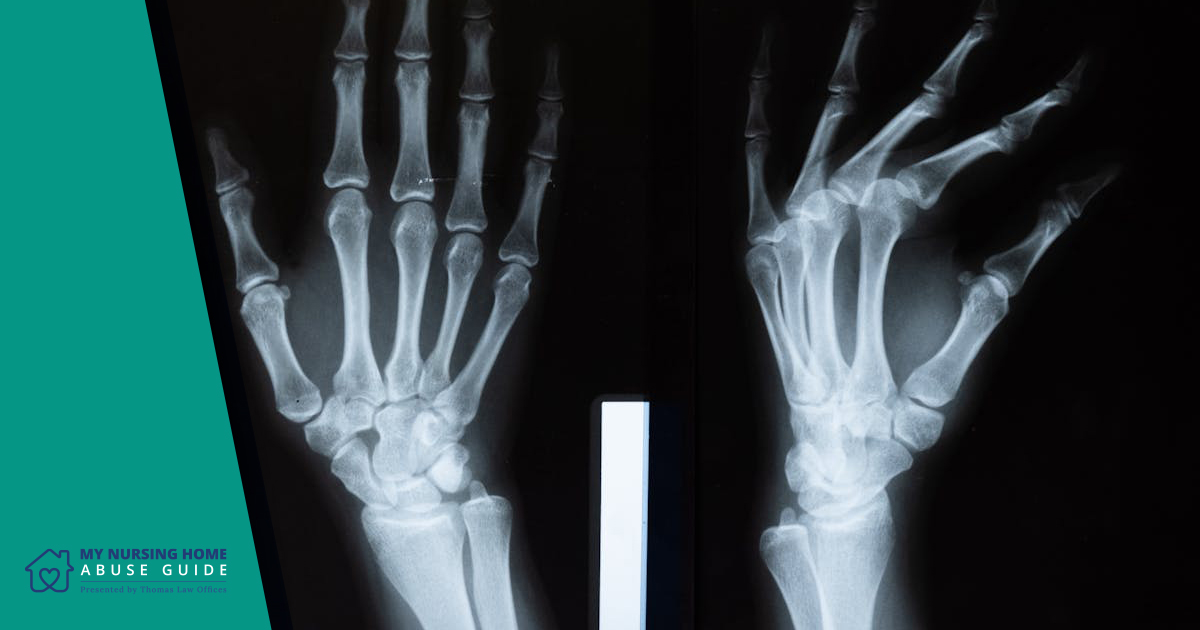
Restraints in nursing homes are meant to be used as a last resort, applied only when absolutely necessary to protect residents or staff from harm.
Unfortunately, improper use of restraints can cause serious physical and psychological injuries.
Families often worry when they notice unexplained bruises or behavioral changes in loved ones, and restraint-related injuries may be to blame. Understanding what these injuries look like, how they develop, and what signs to watch can help residents’ families take action to protect their loved ones.
One of the clearest indicators of restraint use is physical evidence on a resident’s body. Restraints are commonly applied to the wrists, ankles, chest, or waist, and they can leave behind noticeable marks.
Bruising, cuts, or abrasions may appear in the shape of straps or cuffs. If restraints are applied too tightly, they may also cause swelling or restricted circulation. Over time, repeated use of restraints can lead to more severe medical issues like nerve damage or reduced mobility.
Families should not dismiss persistent or patterned injuries, as they may indicate restraint misuse.
Extended restraint use can create skin problems beyond simple bruising. Friction from straps can cause irritation, redness, or open wounds. When a resident is restrained for long periods, they may not be able to shift positions, increasing the risk of pressure ulcers.
These sores often develop on bony areas such as the heels, hips, or tailbone. Pressure ulcers are a clear warning sign of neglect and should be addressed immediately, as they can result in infection and other medical complications.
Being restrained can also put strain on muscles and joints. Residents who struggle against restraints may experience sprains, dislocations, or even broken bones.
Older adults are especially vulnerable to these injuries because their bones are often more fragile, and their muscle strength is reduced. Over time, forced immobility can also lead to muscle wasting and decreased range of motion, making it harder for residents to walk or perform daily tasks.
These injuries not only cause pain but also reduce independence and quality of life.
Restraint injuries are not only physical. The emotional toll can be profound. Residents who are restrained may experience fear, humiliation, or feelings of helplessness.
They may become withdrawn, anxious, or depressed. Some develop sleep disturbances or display sudden changes in mood or behavior. These emotional injuries may not leave visible marks but can have long-lasting consequences.
Families who notice personality changes should consider whether restraint use may be contributing to the problem.
Restraining a resident can also create secondary health issues. Restricted movement may interfere with proper breathing, especially if chest restraints are involved. This can lead to respiratory infections, such as pneumonia.
Limited mobility can also slow digestion and contribute to constipation or urinary tract infections.
In severe cases, prolonged immobility caused by restraints can result in blood clots, which can potentially be life-threatening.
Because restraint injuries are not always obvious, families should stay alert to changes in their loved one’s health and behavior. Key warning signs include:
These signs may suggest restraint use and should prompt immediate questions to staff and administrators.
In rare cases, restraints may be used temporarily to prevent immediate harm, such as when a resident attempts to remove medical equipment that is essential to their care. However, restraints should never be used as a form of punishment, convenience for staff, or a substitute for adequate supervision.
Federal regulations strictly limit when and how restraints are allowed in nursing homes. If injuries suggest that restraints are being applied regularly or without medical justification, this may indicate neglect or abuse.
Medical records can provide important evidence of restraint use. Facilities are required to document when restraints are applied, the reason for their use, and the duration. If injuries appear without corresponding documentation, it raises concerns about compliance and oversight.
Families can request access to medical records and care notes to better understand whether restraints were involved in their loved one’s injuries.
Restraint injuries in nursing homes often fall under the scrutiny of state and federal regulators.
Facilities can face penalties for misuse of restraints, including fines, sanctions, or loss of certification.
In some cases, restraint-related injuries may lead to lawsuits for negligence or abuse. Families who suspect improper restraint use should consider filing a complaint with the state health department or consulting an experienced nursing home abuse attorney.
Families can take proactive steps to lessen the likelihood of restraint injuries. Regular visits help identify physical and emotional changes early. Talking to staff about facility policies on the use of restraints can provide insight into how often they are used as well.
Advocating for alternative care strategies, such as increased supervision or individualized behavioral plans, ensures that restraints are not the first option.
Effective communication with both staff and administrators is crucial to maintaining accountability.
Restraint injuries in nursing homes may present as bruises, skin damage, pressure sores, or musculoskeletal problems, but they also extend to emotional and psychological harm. Families should stay vigilant for signs of both physical and behavioral changes, recognizing that restraint use is tightly regulated and should be rare.
By understanding what restraint injuries look like, families can better protect their loved ones, advocate for safer care practices, and hold facilities accountable when harm occurs. And if you ever need the resources to help your loved one in this situation, My Nursing Home Abuse Guide is ready to assist.
This website was created and is maintained by the legal team at Thomas Law Offices. Our attorneys are experienced in a wide variety of nursing home abuse and neglect cases and represent clients on a nationwide level. Call us or fill out the form to the right to tell us about your potential case. We will get back to you as quickly as possible.
866-351-2504