Your Guide to Nursing Home Abuse & Prevention
Millions of elderly adults live in nursing home facilities.
Every one of them deserves to feel safe, protected, and respected.
Millions of elderly adults live in nursing home facilities.
Every one of them deserves to feel safe, protected, and respected.
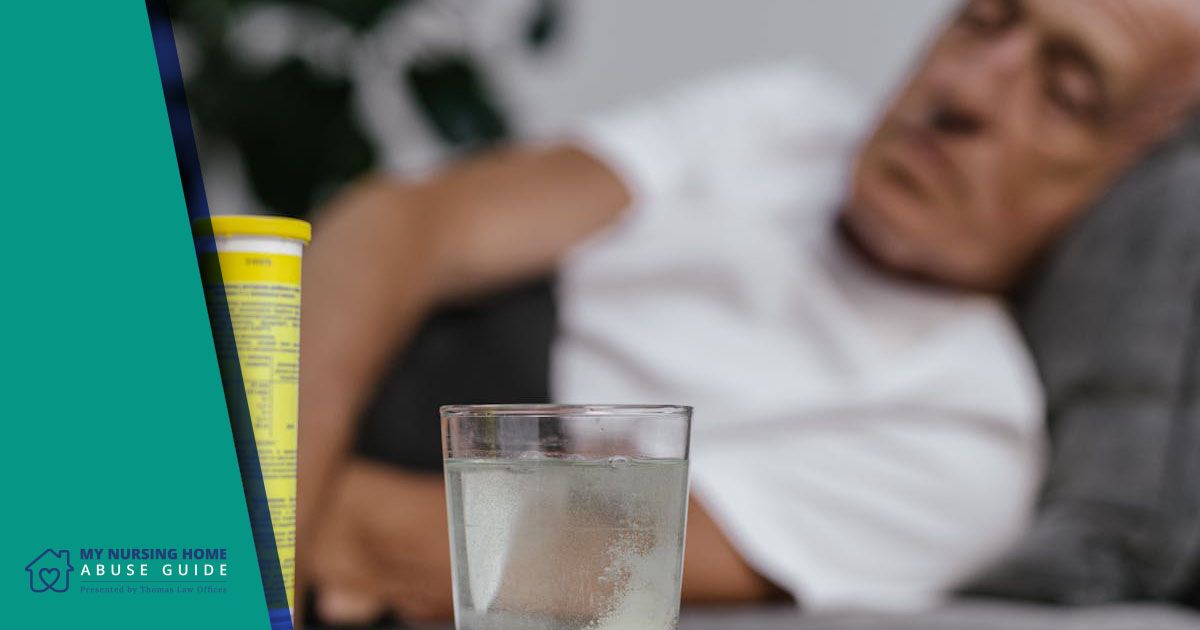
Helping a loved one transition to nursing home care is always an emotionally charged event for the family. On one level, you’re happy that your loved one will be in an environment where they can get the level of care they deserve.
On the other hand, you might also feel guilty that you’re not able to provide that care.
Once your loved one is settled in and thriving, you’ll recognize this is the best option for everyone. The majority of residents are well taken care of, but there are incidents where some residents are victims of nursing home abuse.
These unfortunate events can compromise the health of the resident and, in extreme cases, lead to a wrongful death. According to information collected by the World Health Organization, 2 in 3 staff members of long-term care facilities reported they have committed abuse in the past year.
Nursing home abuse can take many forms. The following are the most common types of nursing home abuse.
Emotional abuse occurs when a staff member threatens or verbally insults a nursing home resident. This type of abuse can include ridicule, guilt-trips, and dismissiveness. It also shows up when a resident is intentionally isolated from the other residents. When this type of abuse is persistent, the resident can withdraw, and their overall well-being can deteriorate.
Even a single incident of verbal abuse can have a lasting impact.
Physical abuse happens when a staff member slaps, punches, or shoves a nursing home resident, which can result in broken bones, sprains, bruises, or concussions.
According to a report published by the National Library of Medicine, physical abuse accounts for 29% of all abuse that occurs in a nursing home.
If your loved one still has access to their finances, such as savings accounts or credit cards, they could be vulnerable to financial abuse. This type of abuse can manifest as unusual activity in your loved one’s bank accounts, ATM withdrawals, or charges on their credit card. It is essential to set up a power of attorney to provide you with access to your loved one’s accounts, allowing you to monitor their activity.
The idea of a nursing home resident being sexually abused is hard to comprehend. That same study finds that sexual abuse accounts for 7% of the abuse happening in nursing homes. Signs of sexual abuse include the following:
As you might imagine, some of those symptoms may not always be obvious, but you may notice emotional changes in your loved one, such as their fear of a specific staff member or withdrawal.
When you first toured the nursing home, you probably met some of the staff, but you didn’t meet all of them. You were also probably told that all the staff have undergone background checks and proper training, but that is not always accurate. Many factors can lead to abuse.
Consider the following:
With financial abuse, an unscrupulous staff member can take advantage of a resident solely for the sake of personal gain. They might try to rationalize their actions by claiming they do not receive competitive pay, but that is no excuse for outright theft.
Members with different levels of certification staff a nursing home facility. Unfortunately, some nurses and other staff members might not have the proper training to handle the challenges of a resident who has dementia. That can lead to unintentional abuse, but it is still harmful.
A nursing home is required to provide a certain number of staff in proportion to the number of residents. Unfortunately, understaffing often occurs when facilities attempt to cut costs. There could also be a lack of qualified applicants. The result is that staff might be reduced, and when that occurs, the residents suffer.
If you suspect that your loved one or another resident is being abused, you should report the incident.
Where you report depends on the location of the nursing home. Each state has its own department of health that governs nursing home facilities. Many states also have an ombudsman who provides resources for families to get support for reporting abuse.
It is also essential to consult with an experienced nursing abuse attorney who can serve as the family’s advocate. They can hold the nursing home accountable and seek fair compensation for the family to compensate for any pain and suffering.
At My Nursing Home Abuse Guide, we can help you find the resources you need.
Don’t let abuse go unchecked.
This website was created and is maintained by the legal team at Thomas Law Offices. Our attorneys are experienced in a wide variety of nursing home abuse and neglect cases and represent clients on a nationwide level. Call us or fill out the form to the right to tell us about your potential case. We will get back to you as quickly as possible.
866-351-2504