Your Guide to Nursing Home Abuse & Prevention
Millions of elderly adults live in nursing home facilities.
Every one of them deserves to feel safe, protected, and respected.
Millions of elderly adults live in nursing home facilities.
Every one of them deserves to feel safe, protected, and respected.
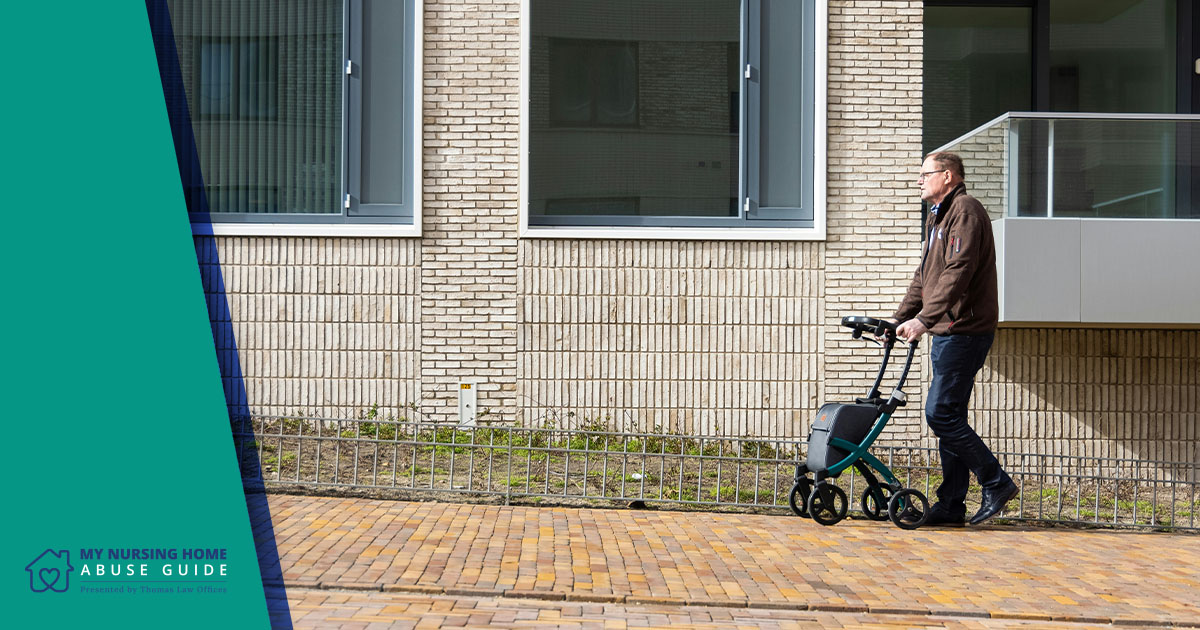
The reason for transitioning a loved one to a nursing home is to provide them with the kind of around-the-clock care they need to maintain their quality of life. They will be provided with nutritious meals, have their medical needs tended to, and be given an opportunity to engage in daily socialization. What shouldn’t happen is a nursing home resident getting injured in a fall accident that is due to neglect.
Falls are a major concern for seniors, regardless of where they are living. According to data from the U.S. Department of Health and Human Services, nursing homes failed to report 43% of falls that caused major injury and hospitalization among their Medicare-enrolled residents. That points to a dual problem: falls are common in these facilities, and these facilities are not always transparent about them. This makes prevention through environmental improvements and staff training all the more important.
Given the inherent risk to senior residents, a nursing home needs to be extremely proactive in preventing falls. Without implementing certain measures, a nursing home is failing in its responsibility to keep residents safe from harm.
While it is true that “accidents happen,” it is important to understand why they occur to avoid them. There are many age-related factors. Certain residents may have reduced bone density, poor balance, and cognitive impairments that increase their susceptibility to falls. There could also be underlying chronic conditions such as Parkinson’s disease that can contribute to a fall.
Certain sedatives, antipsychotics, and blood pressure medications can cause dizziness, drowsiness, or postural hypotension, which is a sudden drop in blood pressure when standing.
There are also environmental hazards to consider, such as wet floors, poor lighting, unstable bed wheels, defective wheelchair brakes, and tripping hazards like clutter in walkways. Those are areas of neglect for which a nursing home facility can be held liable.
There are many proactive measures a nursing home facility can take to reduce the risk of falls among its residents. If you have a loved one in a nursing home, you should look for these measures:
A nursing home resident should have any frequently used personal items within easy reach. That includes call lights and mobility aids such as walkers or canes. In the bathroom, there should be sturdy grab bars near toilets and in showers. There should also be non-slip bathmats, and elevated toilet seats are worth considering. It will also help to provide residents with sturdy chairs with armrests in their bedrooms to help them safely get dressed or put on shoes.
Outside of a resident’s room, the hallway should be kept clear of potential trip hazards such as electrical cords, clutter, and debris. If there is a spill, it should be cleaned up immediately. It will also help to avoid highly polished or shiny floors, as they can cause a glare or visual misperception for older adults with vision issues. Hallways and communal areas should be well-lit. Motion-sensor nightlights should be installed in resident rooms to illuminate paths to the bathroom in the dark.
It is equally important to ensure that residents wear properly fitting, nonskid shoes rather than loose slippers or stockings. If a resident wears eyeglasses, their lenses need to be kept clean.
These are the kinds of preventive measures that can go a long way toward minimizing the risk of a nursing home fall.
Nursing home residents depend on staff to keep them safe. Facilities need to provide training for the staff that starts with identifying possible medication side effects that can contribute to a resident falling. There should also be active supervision and oversight, including hourly rounds to check whether residents have easy access to frequently used items and are getting help to and from the bathroom.
Housekeeping teams should receive proper training to quickly spot and eliminate environmental hazards, such as wet floors.
There should also be daily meetings that provide staff with opportunities to share insights into any changes in a resident’s condition or concerns about potential hazards.
The Agency for Healthcare Research and Quality has developed a fall prevention and management module that would be helpful for nursing home facilities to adopt. It is also the kind of resource that anyone with a loved one in a nursing home should be familiar with. It’s all about fostering a culture of safety.
If your loved one suffers a fall in a nursing home, it is vital to understand the circumstances that led to the incident. You don’t want to assume the worst, but at the same time, you don’t want to excuse what could have been a preventable accident.
There should be a thorough understanding of why the fall happened. If neglect by the nursing home staff played a role, they should be held accountable. At that point, you would benefit from seeking the counsel of an experienced attorney who understands the laws and regulations nursing homes must follow.
My Nursing Home Guide has many available resources to help you understand what nursing home neglect looks like. You’ll want to get answers about how the nursing home can be held accountable. More importantly, you want to make sure your loved one is safe and won’t have to go through another fall accident.
This website was created and is maintained by the legal team at Thomas Law Offices. Our attorneys are experienced in a wide variety of nursing home abuse and neglect cases and represent clients on a nationwide level. Call us or fill out the form to the right to tell us about your potential case. We will get back to you as quickly as possible.
866-351-2504